Monitoring Desk
Israel’s suspension of food, fuel, and medical supplies to Gaza has plunged the war-torn enclave deeper into crisis, forcing bakeries to shut down, sending food prices soaring, and threatening access to clean water, Palestinian officials warned.
The blockade, which Israel claims is intended to pressure Hamas in ceasefire negotiations, has drawn severe criticism from humanitarian organizations. The United Nations Relief and Works Agency (UNRWA) condemned the move, warning that it places millions of civilians—already devastated by 17 months of conflict—at extreme risk. The agency stressed that most of Gaza’s 2.3 million residents are dependent on aid for survival.
Hamas, rejecting what it calls an act of “collective punishment,” vowed it would not be pressured into concessions through economic strangulation.
The immediate fallout of the blockade is already visible. Abdel-Nasser Al-Ajrami, head of Gaza’s bakers’ union, said six of the remaining 22 functioning bakeries have been forced to shut down after exhausting their cooking gas supplies. “The remaining bakeries could close within a week if they run out of diesel or flour unless crossings reopen to allow goods to flow,” he told Reuters. With fewer bakeries in operation, food shortages will escalate, further deepening the suffering of civilians.
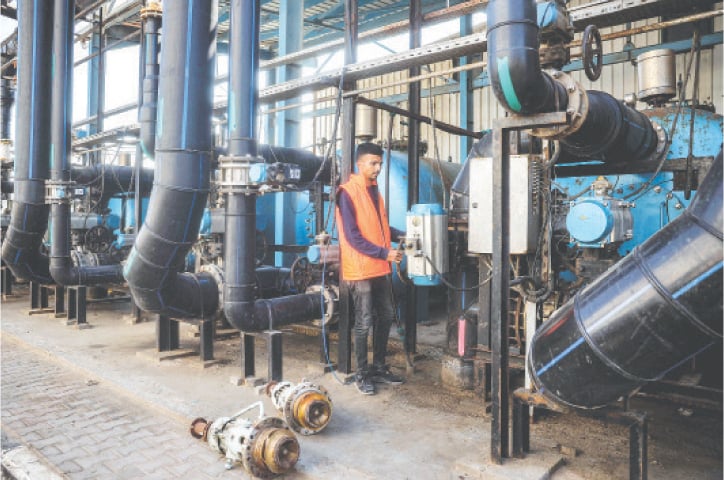
Beyond food insecurity, the blockade is crippling Gaza’s fragile infrastructure. Israel had already cut power supplies at the onset of the war, but the latest restrictions have now halted key water treatment facilities. The Palestinian Water Authority confirmed that a critical desalination plant, which produced 18,000 cubic meters of clean water daily for central and southern Gaza, has shut down due to a lack of fuel.
Mohammad Thabet, spokesperson for Gaza’s power distribution plant, warned of the severe health and environmental risks posed by the blockade. “This decision is catastrophic. Municipalities will now be forced to release untreated sewage into the sea, creating an environmental and health disaster that could extend beyond Gaza’s borders,” he cautioned.
The blockade has also affected a wastewater treatment facility that relied on emergency power from the Israeli electricity company. Without fuel to operate backup generators, sanitation systems are collapsing, raising the threat of disease outbreaks.
As living conditions deteriorate further, aid agencies and humanitarian groups continue to call for immediate intervention to prevent a worsening catastrophe. With diplomatic efforts for a ceasefire still uncertain, the blockade has intensified the suffering of Gaza’s civilian population, leaving them in an increasingly desperate struggle for survival.
