Monitoring Desk
ISLAMABAD: In a dramatic escalation following its unilateral suspension of the Indus Waters Treaty, India has drastically curtailed water flows in the Chenab River to Pakistan without prior notice, sparking fears of a looming irrigation crisis and potential flooding.
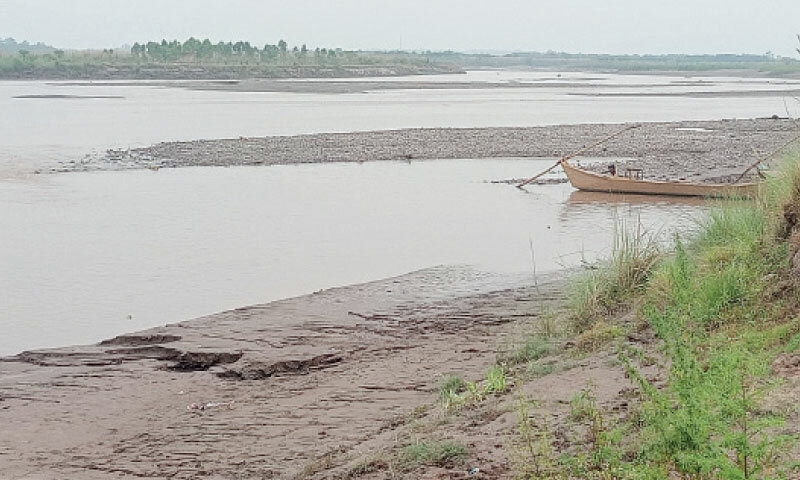
According to official data from Marala Headworks, Chenab’s inflows plummeted from 35,600 cusecs on Sunday to just 3,177 cusecs on Monday morning—a drop of nearly 90%. Officials say the reduction stems from India’s ongoing filling of three large dams in the Chenab Basin: Pakal Dul (1,000MW), Baglihar (900MW), and Salal (690MW). Combined, these reservoirs hold over 1.2 million acre-feet of water.
“They have virtually blocked downstream flows after deciding to fill their reservoirs. This is a serious violation of the Indus Waters Treaty,” a senior Punjab Irrigation Department official told Dawn, warning of both prolonged shortages and sudden flood risks if India abruptly releases stored water.
The Indus River System Authority (Irsa) has confirmed the disruption, warning it could worsen the 21% shortfall already projected for the early Kharif season. “If the Chenab reduction continues, the shortfall could deepen, affecting early sowing,” Irsa cautioned, adding that late Kharif shortages are projected at 7%.
Strategic Misuse of Dams
The Chenab River, allocated to Pakistan under the 1960 Indus Waters Treaty, is vital for Punjab’s agriculture. Canals fed by Chenab—including the Upper Chenab Canal (UCC) and BRB Canal—irrigate vast swathes of farmland. Wapda reported zero outflows at Marala on Monday, raising alarm over food security and crop damage.
A Wapda official noted that while India controls upstream dam flows, it has no control over tributaries like Jammu-Tavi and Munawar-Tavi, which provide some buffer.
Unnotified Dam Flushing
Separately, Reuters reported that India began reservoir flushing—a maintenance process that involves releasing sediment-heavy water followed by drastic flow reduction—at the Salal and Baglihar dams starting May 1. The move was carried out without notifying Pakistan, despite treaty obligations.
This is the first such operation since the construction of these dams in 1987 and 2008–09, respectively. Officials fear that India is seeking to free its dam operations from treaty-imposed restrictions, potentially setting a dangerous precedent for more unilateral moves.
Provinces in Dispute
The crisis has also triggered inter-provincial friction. Sindh objected to Punjab’s activation of the Chashma-Jhelum Link Canal, fearing it would affect its downstream share. Punjab, however, claimed it was drawing only from its allocated quota. Irsa assured Sindh that its full 76,000 cusecs share was being released, expected to reach its command areas within five to six days.
For the full Kharif season, Irsa has estimated water availability as follows: Punjab – 31.35 MAF, Sindh – 28.85 MAF, KP – 0.82 MAF, and Balochistan – 2.86 MAF.
Mounting Diplomatic Pressure
With more than a dozen Indian hydropower projects in various stages in Jammu and Kashmir, Pakistani officials are increasingly concerned that India is shifting toward strategic control of river flows, in violation of the spirit—and letter—of the Indus Waters Treaty.
Diplomatic sources say Islamabad may raise the issue at international forums if the situation persists.
