Hydropower generation in Pakistan witnessed a significant increase, crossing the 6,100 MW level during peak hours as improved reservoir inflows and regulated water releases boosted output from major hydel stations across the country.
The generation level reached 6,118 MW after enhanced water releases by the Indus River System Authority (IRSA), improving supply conditions for the national grid and adding a substantial share of low-cost electricity to the energy mix.
The increase in hydel generation comes at a time when electricity consumers continue to face financial pressure due to high tariffs, fuel cost adjustments, and capacity payments, which have collectively kept electricity bills elevated across all consumer categories.
According to official generation data, Water and Power Development Authority hydel power stations collectively contributed 6,118 MW to the National Grid during peak demand hours, reflecting improved hydrological conditions in major reservoirs.
The improved water availability was facilitated by the Indus River System Authority, which enabled enhanced releases that allowed key hydropower plants to operate closer to optimal capacity.
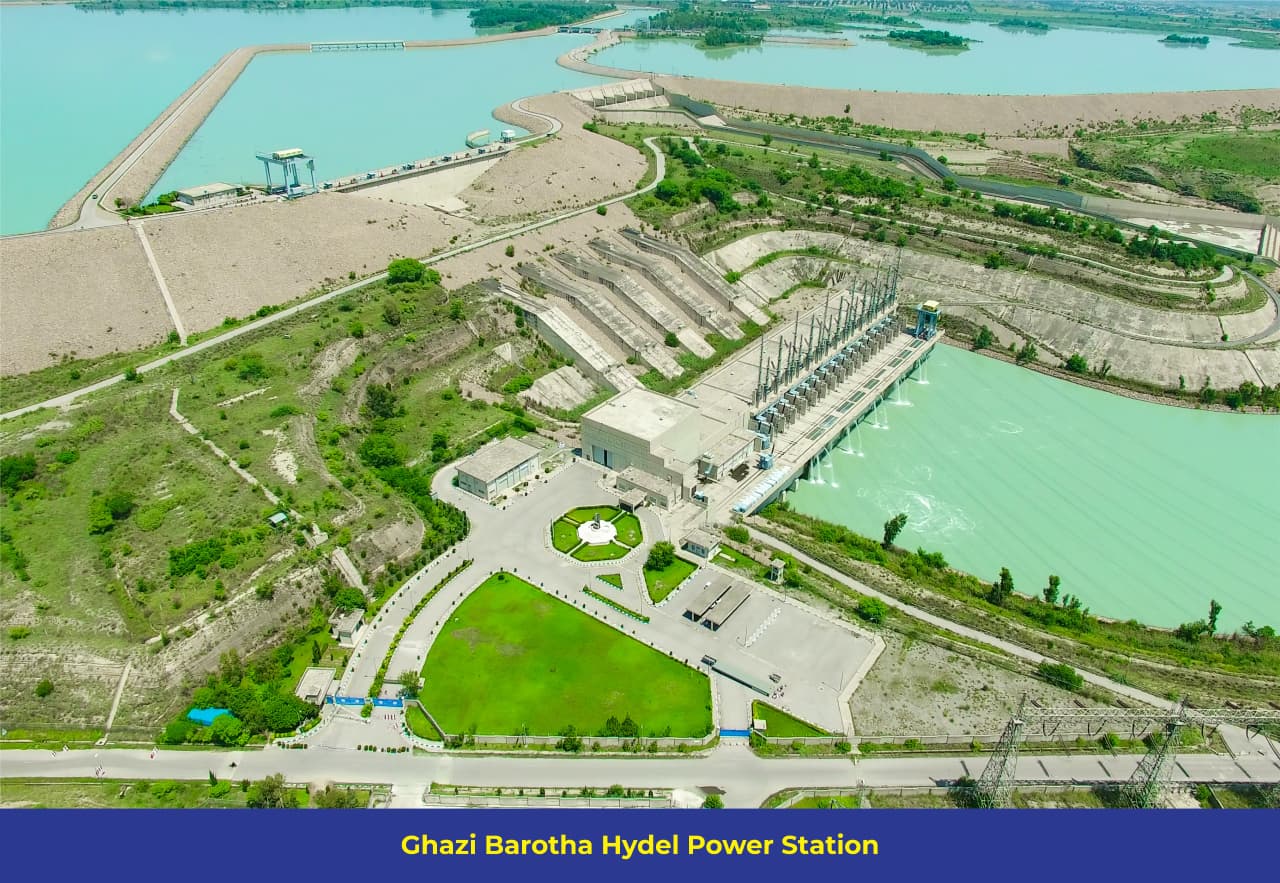
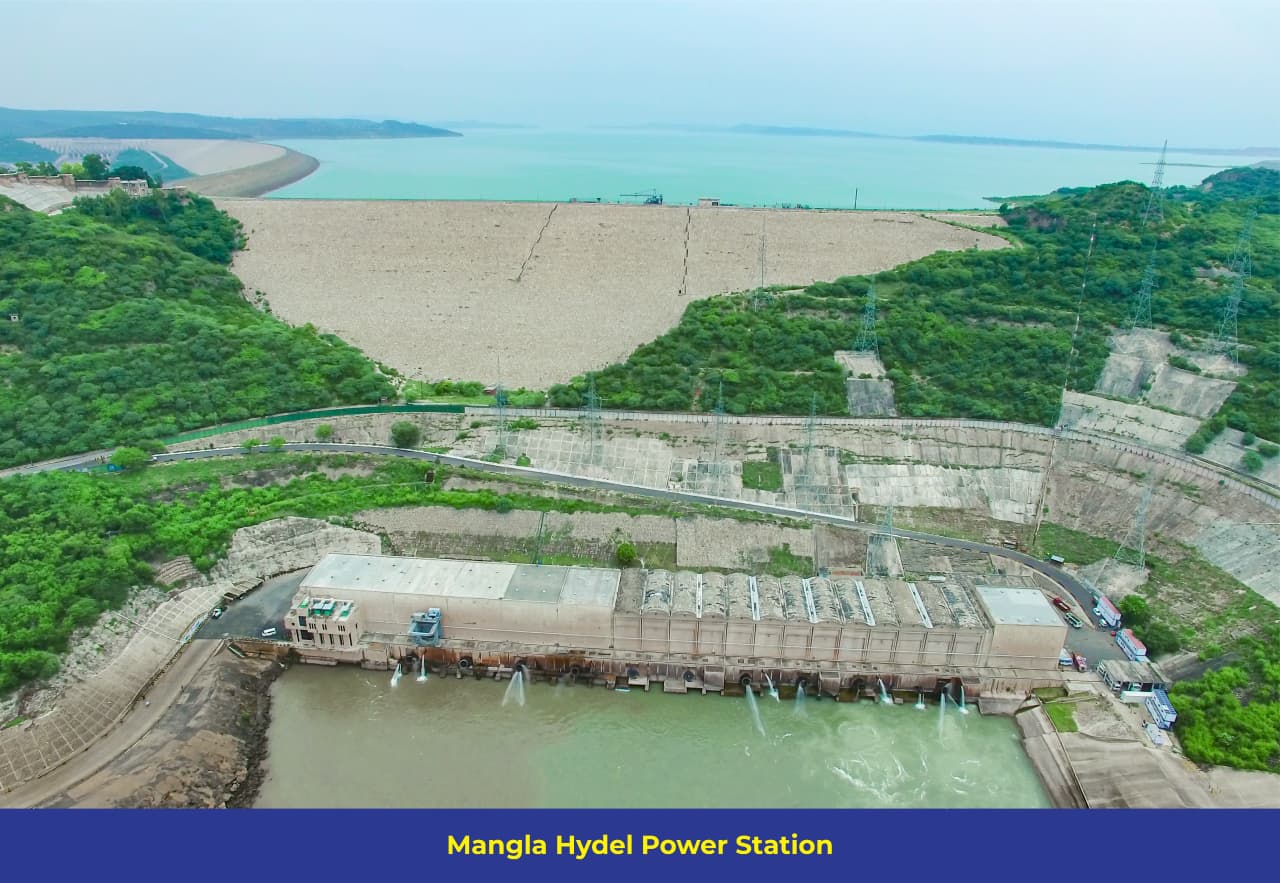
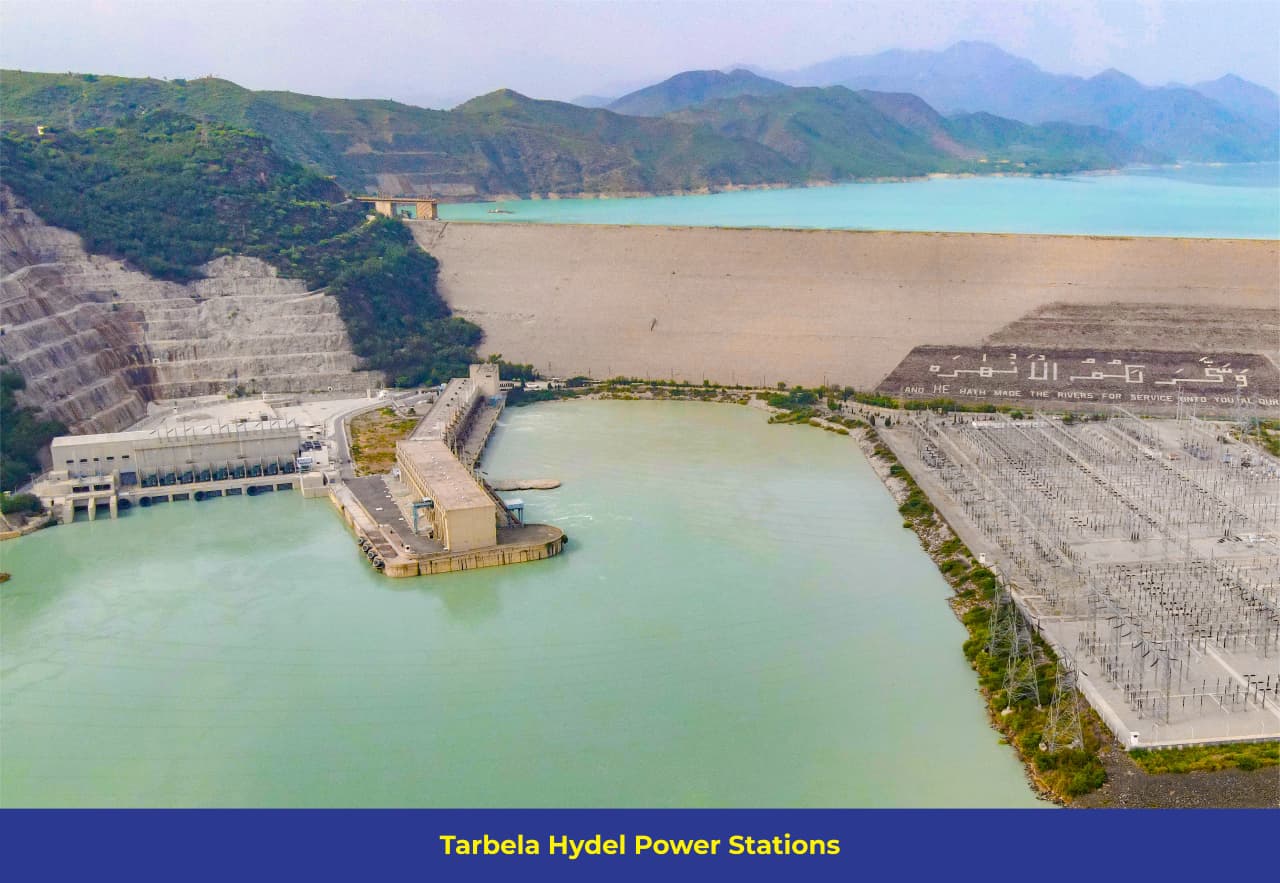
Station-wise production data shows that Tarbela Hydel Power Station led generation with 2,332 MW, followed by Tarbela 4th Extension at 1,095 MW, Ghazi Barotha at 1,160 MW, Mangla at 930 MW, Warsak at 135 MW, and Chashma at 101 MW.
An additional 365 MW was contributed by various medium and small hydel projects, further strengthening the renewable energy share in the national electricity mix.
Energy sector observers note that hydropower remains the most economical and environmentally sustainable source of electricity in Pakistan, helping reduce dependence on imported fuels and supporting overall system affordability.
However, they caution that despite the temporary boost, structural issues in the power sector—including rising demand, transmission bottlenecks, and reliance on expensive thermal generation—continue to exert pressure on electricity pricing.
The latest increase in hydel output is expected to provide short-term relief to the national grid by reducing fuel-based generation requirements and improving overall system efficiency during peak demand hours.
