Staff Report
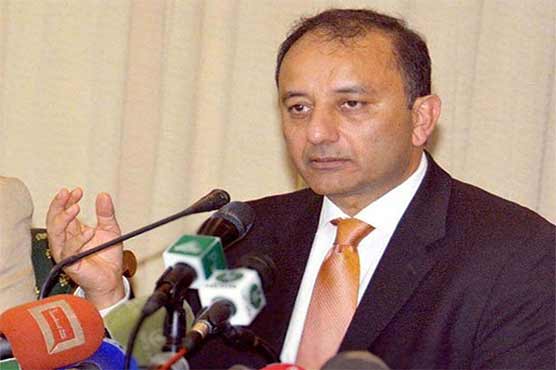
ISLAMABAD: In a major shake-up, Petroleum Minister Musadik Malik has been removed from the chairmanship of two critical oversight committees: the Sugar Price Control Committee and the Transnational Pipeline Committee.
As per details, these committees oversee projects crucial for Pakistan’s energy and economic stability, including the long-delayed Iran-Pakistan Gas Pipeline and the Turkmenistan-Afghanistan-Pakistan-India (TAPI) Pipeline. Both projects are considered vital for Pakistan’s future energy security, and Malik’s removal signals growing concerns about his leadership of these initiatives.
According to industry insiders, Malik’s alleged mismanagement had already stalled progress on these transnational pipeline projects, raising doubts among investors and fueling concerns about Pakistan’s ability to secure its energy needs. His tenure has reportedly been plagued by multiple policy failures, including the delay in implementing the much-needed Third Party Sale Amendment, which was approved by the Council of Common Interests (CCI) in 2012. This amendment was intended to allow private sector involvement in Pakistan’s gas distribution network, but despite seven months of effort under Malik’s leadership, it has not yet been enforced. This failure has raised questions about the ministry’s capacity to handle basic regulatory functions, let alone steer major transnational energy projects.
Ideological Contradictions Impact Leadership
As per sources, a significant issue in Malik’s tenure was his contradictory approach to economic management. On one hand, he positioned himself as a liberal democrat, advocating for fuel price deregulation and urging that market forces should dictate fuel prices. On the other hand, he pushed for subsidies, allowing companies to purchase fuel at deeply discounted rates, sometimes as low as 40 cents on the dollar compared to international market prices. This inconsistency confused stakeholders and slowed policy implementation.
Meetings with the petroleum minister were reportedly marked by this ideological tug-of-war. Malik would oscillate between forward-thinking business strategies and bureaucratic inertia, making meaningful progress difficult. His insistence on revisiting already-settled issues became a roadblock to forward movement, turning consultations into long-winded debates instead of decisive actions. As a result, the very issues that needed urgent resolution became mired in gridlock, frustrating both industry players and government officials.
Sugar Crisis Mishandling
Malik’s role in the ongoing sugar crisis further tarnished his standing within the government. While his decision to halt sugar exports in response to industry violations was justified, his rigid approach created rifts between ministries. The ensuing political gridlock made it difficult to address the crisis effectively. Meanwhile, as domestic sugar prices soared beyond government benchmarks, Malik’s ministry failed to enforce necessary price controls, allowing the situation to spiral out of control. This failure significantly contributed to his removal from the Sugar Price Control Committee, according to sources within the government.
New Leadership Brings Hope, but Damage May Already Be Done
To fill the leadership void, the government has appointed Foreign Minister and Deputy Prime Minister Ishaq Dar as the new head of both the Sugar Price Control Committee and the Transnational Pipeline Committee. Dar is widely respected for his ability to navigate complex economic challenges, and his appointment is seen as a positive step for the struggling committees. However, experts warn that the damage caused by Malik’s inconsistent leadership may have already delayed key energy projects by several months, if not years.
Dar’s immediate task will be to get these projects back on track and rebuild investor confidence. The TAPI and Iran-Pakistan gas pipelines are critical for addressing Pakistan’s growing energy needs, and delays in these projects could have far-reaching consequences for the country’s energy security. Similarly, the sugar crisis requires urgent resolution to prevent further price hikes and shortages, which could worsen the economic challenges Pakistan is already facing.
It is worth mentioning that the ousting of Malik from these critical oversight roles reflects the growing urgency within the government to address Pakistan’s pressing energy and economic crises. While the leadership change brings a sense of renewed hope, the long-term impact of Malik’s leadership missteps will likely take time to overcome.
