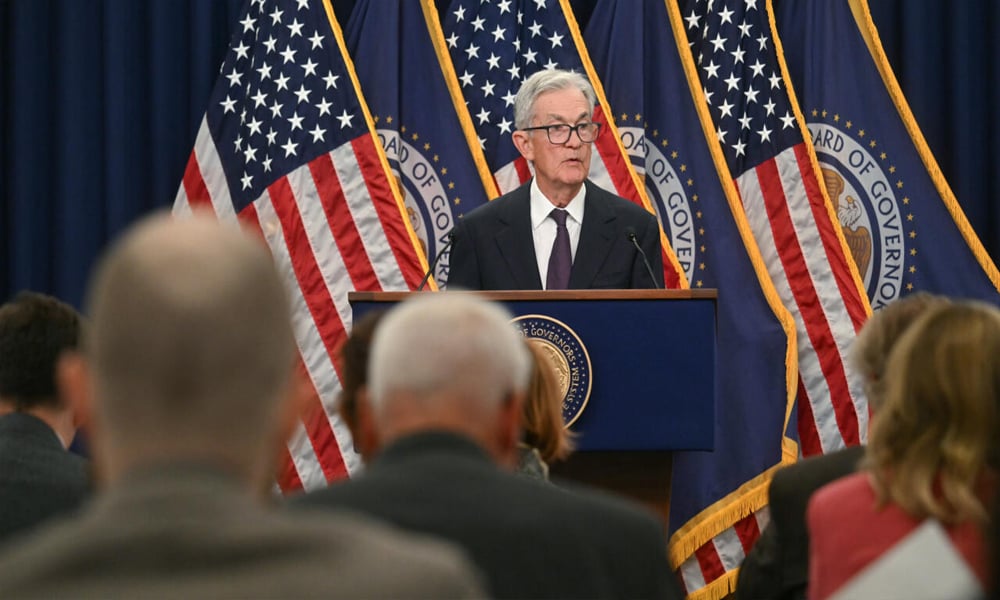
The Federal Reserve is preparing to decide on another interest rate cut this week, but the move comes amid one of the most uncertain economic periods in recent memory — as the ongoing US government shutdown has left policymakers without access to crucial economic data.
The absence of official statistics on inflation, employment, and growth has forced the central bank to make its decision in an informational vacuum, just as markets and businesses look for signals about the direction of the US economy.
Despite the data blackout, analysts widely expect the Fed to proceed with a quarter percentage-point reduction, bringing the benchmark rate down to 3.75%–4.00%. It would be the second rate cut this year, aimed at supporting the economy amid signs of slowing demand and a softening labor market.
However, the uncertainty surrounding the true state of the economy has deepened divisions within the Federal Open Market Committee (FOMC). Some officials argue for patience, warning that persistent inflationary pressures — fueled by Donald Trump’s trade tariffs — could worsen if rates are lowered too aggressively.
“The Fed is flying blind,” said a Washington-based policy analyst. “Without reliable government data, officials are forced to rely on limited private reports and anecdotal evidence, making this one of the most complex rate decisions in years.”
The shutdown, which has entered several weeks amid a political standoff between Republicans and Democrats over healthcare funding, has shuttered multiple federal agencies responsible for producing vital economic reports.
With only two meetings left this year, investors are also watching closely for any signal on whether the Fed might consider another rate cut in December, though analysts expect the central bank to remain cautious.
