Monitoring Desk
Pakistan has launched an assertive diplomatic campaign in the United States, led by former foreign minister Bilawal Bhutto-Zardari, to present Islamabad’s position on rising regional tensions with India and push back against New Delhi’s growing influence in multilateral forums.
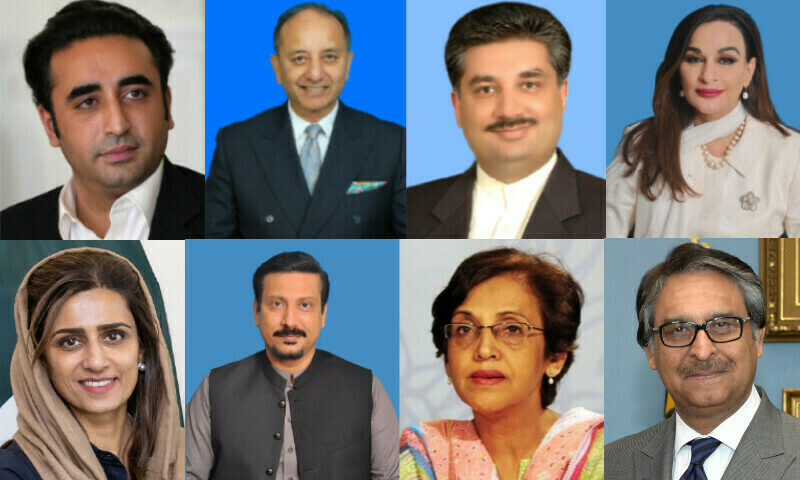
The high-powered delegation — comprising Bilawal, Hina Rabbani Khar, Senator Sherry Rehman, Jalil Abbas Jilani, Tehmina Janjua, Dr. Musadik Malik, Khurram Dastgir Khan, Bushra Anjum Butt, and Faisal Sabzwari — arrived in New York on Sunday for a series of engagements at the United Nations and in Washington.
Beginning June 3, the delegation will hold meetings with UN Secretary-General António Guterres, the president of the UN General Assembly, and ambassadors of the five permanent members of the Security Council. A key address is also scheduled with envoys from the Organisation of Islamic Cooperation (OIC).
Bilateral meetings are also planned with US Secretary of State Marco Rubio, senior White House officials, members of Congress, leading think tanks, and major US media outlets.
Officials said the visit is part of a coordinated strategy to present Pakistan’s concerns over India’s “escalatory moves” and challenge efforts by New Delhi to frame the crisis in a way that revives scrutiny of Pakistan in institutions like the Financial Action Task Force (FATF) and the UN.
“This is no longer just about border tensions,” a senior Pakistani diplomat said. “It’s about shaping the global narrative — one that accurately reflects the facts on the ground and counters India’s political framing.”
Islamabad fears that New Delhi is lobbying to reopen Pakistan’s FATF file, despite Pakistan having exited the grey list in 2022 after comprehensive compliance with international standards.
“This is a political campaign disguised as financial oversight,” said a Pakistani official. “There is no technical basis to revisit Pakistan’s FATF status.”
Senator Sherry Rehman, part of the delegation, said Pakistan will counter Indian claims with clarity and evidence. “We have our own agenda to advance, but when false Indian allegations surface, we’ll respond with forensic detail. We won’t let myth become the message on Pakistan.”
Former diplomats in the delegation underscored Pakistan’s emphasis on transparency and restraint. “We acted with maturity in response to provocations. That’s the case we’re making — factually and responsibly,” one member said.
The engagement also reflects Islamabad’s concern over India’s diplomatic momentum. Indian Foreign Secretary Vikram Misri recently concluded a three-day visit to Washington, and Congress MP Shashi Tharoor is scheduled to arrive on June 3 — the same day as Pakistan’s high-level meetings.
A separate Pakistani delegation led by Commerce Minister Jam Kamal is also expected in Washington soon for trade-related talks, signaling a parallel economic outreach.
Meanwhile, Foreign Minister Ishaq Dar and British Foreign Secretary David Lammy, in a recent call, agreed to deepen cooperation in multilateral settings, especially at the UN. The two diplomats also plan to meet again during high-level UN meetings later this month in New York.
As diplomatic activity intensifies on both sides, Pakistan’s outreach — led by Bilawal — marks a clear shift toward proactive diplomacy aimed at regaining narrative control and reinforcing its international standing.
