Monitoring Desk
The second round of high-stakes talks between Pakistan and Afghanistan’s jirga members ended on a positive yet inconclusive note, as the Afghan delegation sought time to consult their leadership before committing to Pakistan’s conditions.
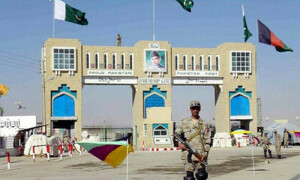
The meeting, held on Monday at the Customs Offices (Gumruk) on the Afghan side of the border, lasted for about two hours. It saw repeated changes in the composition of the Pakistani delegation, causing some internal discord.
Pakistan Seeks Ceasefire as Condition for Border Reopening
According to sources within the Pakistani delegation, the discussion centered on Afghanistan’s construction of a disputed check post near Zero Point. Pakistan made it clear that any unilateral changes to the post would not be tolerated and would invite a strong response.
“We emphasized the need for halting hostilities between both countries, and the Afghan side gave a firm assurance that they would abide by existing border protocols,” a delegation member disclosed.
However, Afghanistan pushed for an unconditional reopening of the border, while Pakistan insisted that any reopening must be tied to a temporary six-month ceasefire to allow both sides to work toward long-term security solutions.
Tensions Over the Durand Line and Infrastructure Disputes
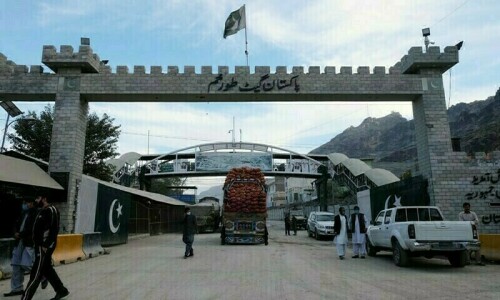
The talks also indirectly revived the Durand Line dispute, as Afghan representatives argued against linking border reopening to any security-related preconditions. They also compared the construction of their check post to Pakistan’s newly built Customs Terminal, located over a kilometer inside Pakistani territory from Zero Point.
Pakistan, however, stressed that it had never objected to Afghanistan’s renovations on their side of the border. Delegates cited Pakistan’s silence on the rebuilding of a high-altitude security post atop Shamshad Sar, a mountain that overlooks Torkham.
Afghanistan Requests Time to Secure Leadership’s Approval
Despite some tense exchanges, the meeting concluded on a constructive note, with Afghan officials requesting time to discuss a temporary ceasefire until mid-June with their leadership.
If agreed upon, this ceasefire would allow the border to remain open for legitimate trade and travel, while both governments negotiate a long-term resolution to security concerns.
Internal Disputes Over Jirga Composition
The Pakistani delegation was plagued by internal disagreements, as the Khyber Chamber of Commerce allegedly pressured officials to include their preferred nominees—some of whom were deemed inexperienced in security matters.
Security officials expressed reservations over the composition of the jirga, warning that an oversized delegation could complicate negotiations. Some delegates criticized the Khyber Chamber’s attempts to dominate the process, as their Afghan counterparts were also largely business representatives rather than security officials.
With Afghanistan now set to consult its leadership, the coming weeks will be critical in determining the fate of the border reopening and the broader security landscape between the two nations.
