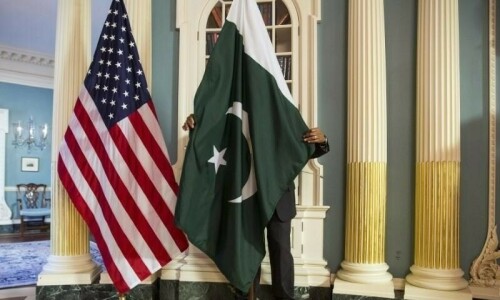
Pakistan has entered a new phase in its economic and strategic partnership with the United States, with the first shipment of mineral samples dispatched to Washington under a deal for rare earth exports. However, the opposition Pakistan Tehreek-e-Insaf (PTI) has raised alarms over what it calls “secret deals” with the US, demanding transparency from the government.
US Strategic Metals (USSM), which signed a memorandum of understanding (MoU) with Pakistan in September to invest around $500 million, confirmed the shipment as a “milestone in the Pakistan–US strategic partnership.” The consignment, prepared in collaboration with the Frontier Works Organisation (FWO), includes antimony, copper concentrate, and rare earth elements such as neodymium and praseodymium.
According to USSM, the MoU outlines cooperation across the full mineral value chain — from exploration and processing to establishing refineries in Pakistan. CEO Stacy W. Hastie said the first delivery “opens an exciting chapter of collaboration” aimed at expanding trade and strengthening bilateral ties.
The agreement positions Pakistan to enter the global supply chain for critical minerals, a sector vital for industrial and security needs worldwide. With an estimated $6 trillion in untapped mineral wealth, Pakistan hopes to unlock billions in revenues, create jobs, and enable technology transfer.
For Washington, the deal offers access to strategic raw materials while reducing dependency on existing global monopolies.
Yet, the arrangement has sparked political controversy at home. PTI Information Secretary Sheikh Waqqas Akram demanded the government reveal details of the USSM shipment and alleged discussions over offering Pasni Port to Washington, as reported by the Financial Times. He warned that such “reckless, lopsided, and secretive agreements” would further destabilize the country.
Mr Akram drew historical parallels, likening the situation to Emperor Jahangir’s 1615 decision to grant trading rights to the British at Surat Port, which ultimately paved the way for colonial rule. He urged the government to place all agreements before parliament, stressing PTI would not accept arrangements that undermine national interests.
Military officials have already rejected reports of a port deal, describing it as a “commercial idea” rather than state policy. Meanwhile, Mr Akram also accused the PPP and PML-N of fueling public spats to distract attention from pressing economic and political issues.
