Pakistan’s five major oil refineries are set to sign agreements under the Brownfield Refinery Upgradation Policy early next month, paving the way for more than $6 billion in investment aimed at modernising the country’s refining sector and strengthening domestic fuel supplies.
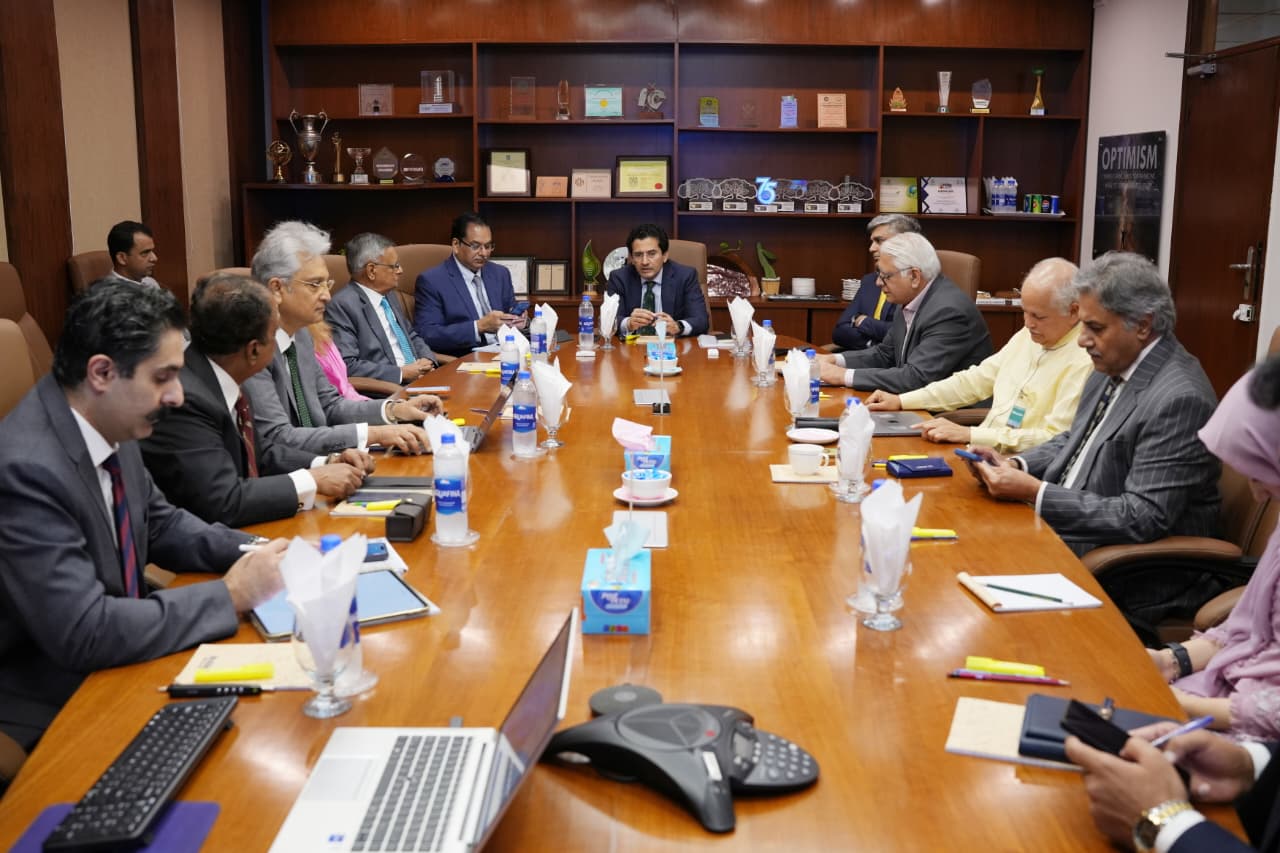
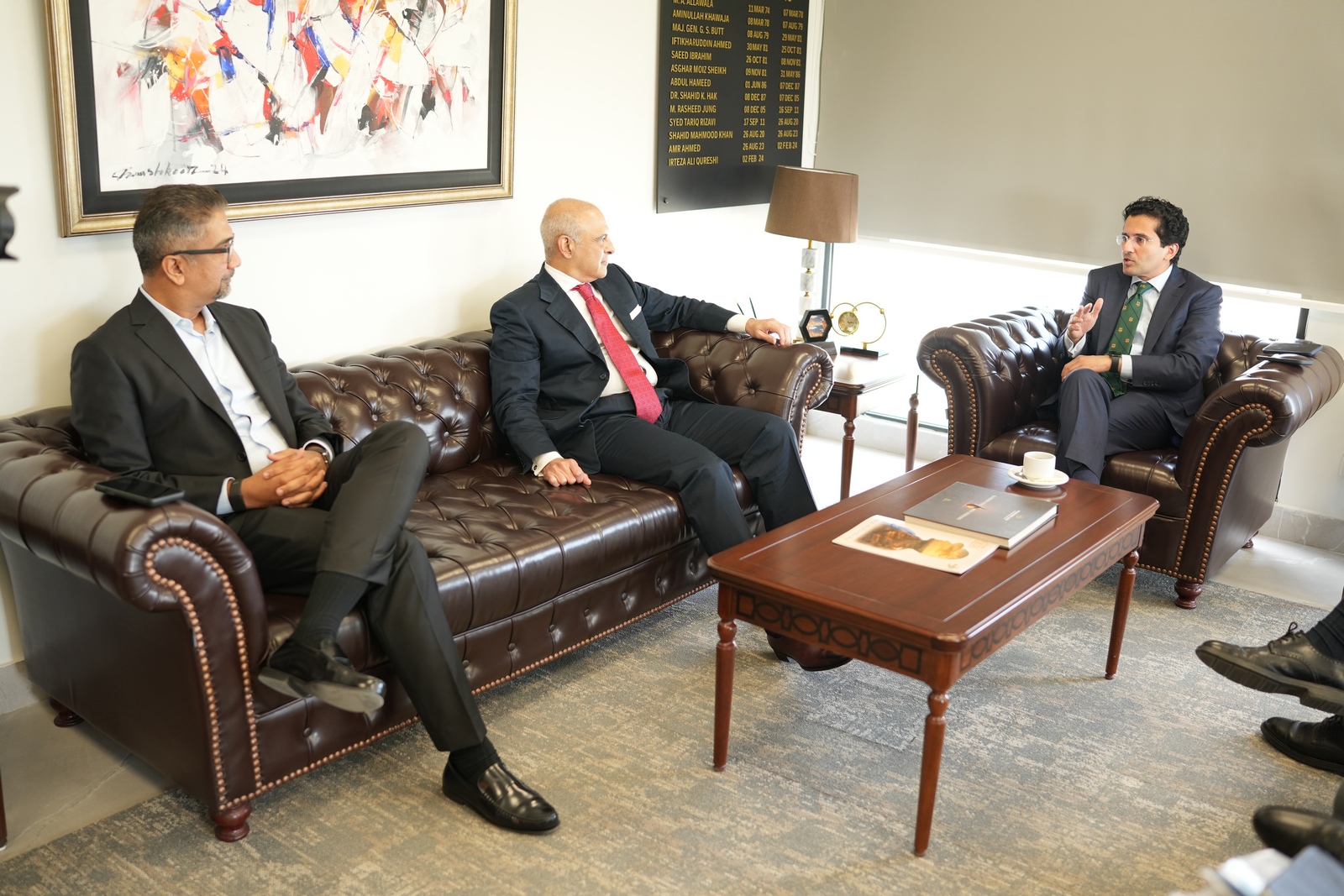
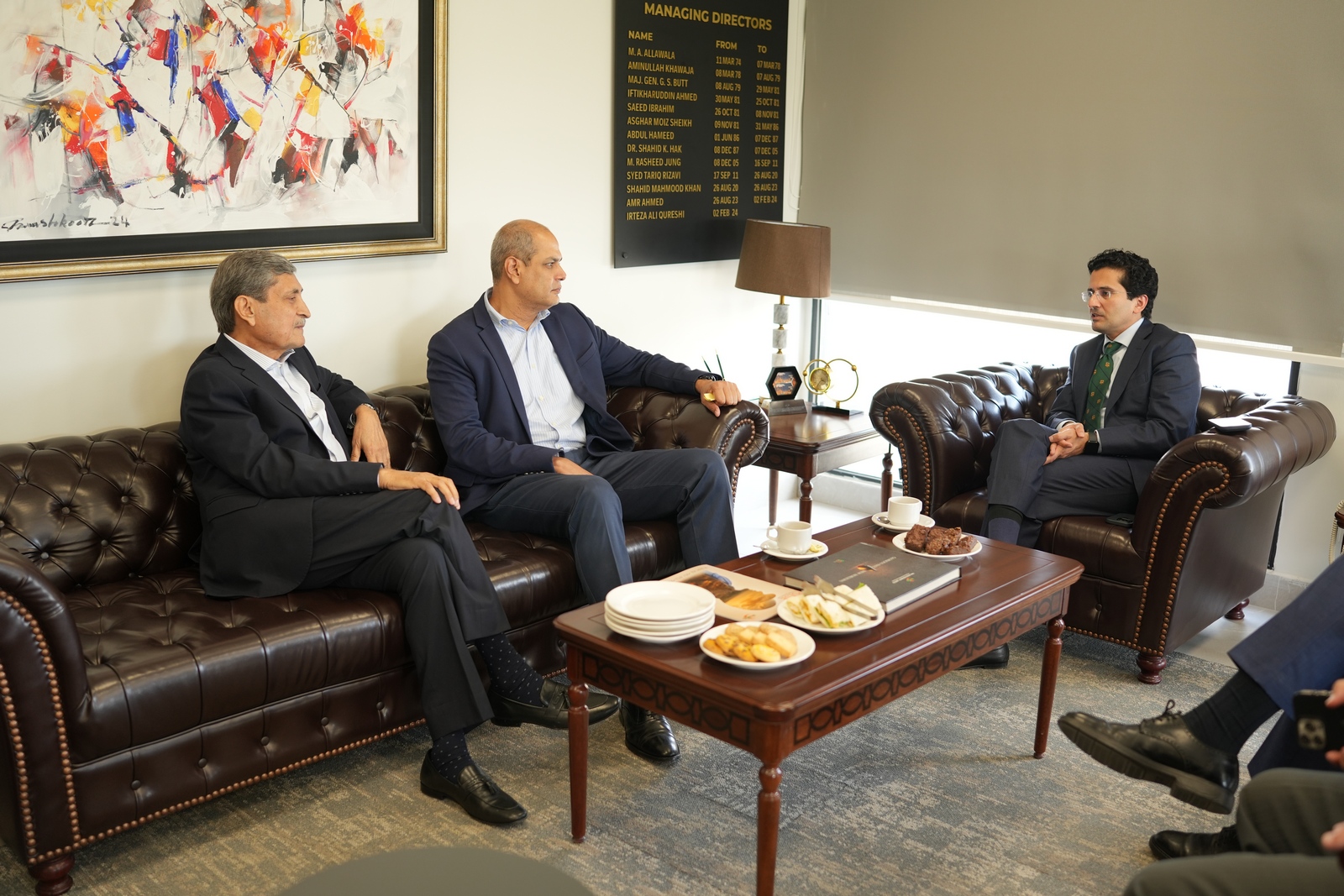
Federal Minister for Petroleum Ali Pervaiz Malik held separate meetings with the managements of Pak Arab Refinery Limited (PARCO), Pakistan Refinery Limited (PRL), National Refinery Limited (NRL), Cnergyico and Attock Refinery Limited (ARL) to review progress on refinery modernisation, financial and operational performance, and measures to strengthen Pakistan’s energy security and supply resilience.
During the meetings, the managements of all five refineries reaffirmed their readiness to sign agreements under the Refinery Upgradation Policy. The agreements are expected to be signed early next month and are likely to unlock approximately $6 billion in investment in Pakistan’s refining sector.
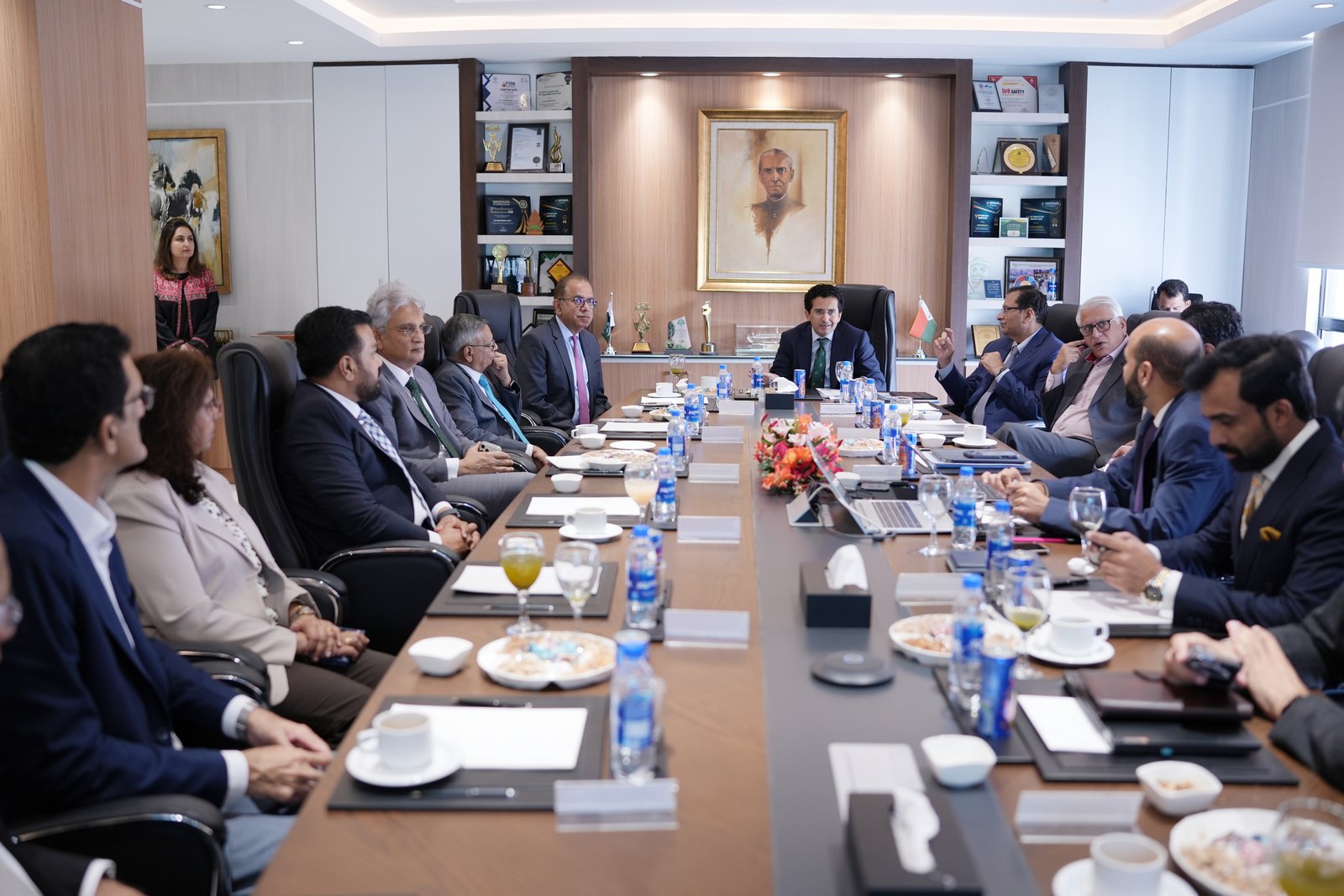
The development marks a major step towards implementation of the government’s refinery modernisation programme, under which existing refineries are being upgraded to improve their production capabilities and enable them to manufacture Euro-V compliant petroleum products.
Petroleum Minister Ali Pervaiz Malik said the upgradation of existing refineries was essential for ensuring the long-term sustainability of Pakistan’s refining industry. He said the planned investments would enable domestic refineries to produce higher-quality Euro-V compliant fuels, helping reduce the country’s dependence on imported petrol and diesel.
The minister further said greater domestic production of upgraded fuel products could also help reduce costs compared with imported products, while strengthening the country’s ability to maintain uninterrupted petroleum supplies during periods of international supply disruptions.
Ali Pervaiz Malik stressed that timely signing of the agreements was imperative for moving the refinery upgradation programme forward. He assured the refining companies that the government would continue facilitating them in resolving issues related to implementation of the policy.
During a separate meeting with PARCO management, the minister was briefed on the company’s financial and operational performance and its broader plans for strengthening Pakistan’s energy security.
The minister appreciated PARCO for effectively managing its operations during the Strait of Hormuz crisis, saying Pakistan successfully navigated the crisis and ensured that the country’s petroleum supply system did not run dry.
He emphasised that continuity of petroleum supplies and the development of resilient supply chains were critical components of Pakistan’s energy security, particularly in the face of potential disruptions to international energy routes.
The minister was also briefed on developments regarding the proposed Oil City in Hub, which is envisaged as a strategic energy terminal and storage complex. The project is aimed at strengthening energy security, improving trade connectivity, supporting petroleum supply assurance and contributing to economic growth.
At PRL, the Managing Director, Board of Directors and management briefed the minister on the refinery’s current financial and operational performance. The management also apprised him of measures undertaken to maintain continuity of refinery operations during the Strait of Hormuz crisis.
In separate meetings with Cnergyico, NRL and ARL, the petroleum minister sought the views of the respective Managing Directors regarding any impediments to implementation of the new refinery upgradation policy.
The Managing Directors informed the minister that their respective companies had completed the required preparations and were now ready to sign the agreements. The signing of these agreements would constitute the first major step towards practical implementation of the upgradation programme.
The Managing Director of ARL highlighted the importance of upgrading existing refineries to ensure their compliance with changing global dynamics and evolving international fuel standards.
He also appreciated the Petroleum Minister’s leadership and the role of the Petroleum Division in advancing major reforms in Pakistan’s petroleum sector.
The federal minister reiterated that modernising Pakistan’s existing refining capacity was important not only for improving the quality and efficiency of petroleum products but also for strengthening domestic supply resilience.
He said refinery modernisation would help reduce Pakistan’s reliance on imported petrol and diesel and support the country’s broader energy security objectives.
The minister said the government remained committed to working closely with the refining industry to ensure timely implementation of the new Refinery Upgradation Policy and facilitate the investments required to modernise Pakistan’s refining infrastructure.
With all five major refineries now expressing readiness to sign the agreements, the planned deals are expected to provide a significant boost to Pakistan’s refining industry and set the stage for more than $6 billion in investment, improved domestic fuel production and greater resilience against future disruptions in international petroleum supplies.
