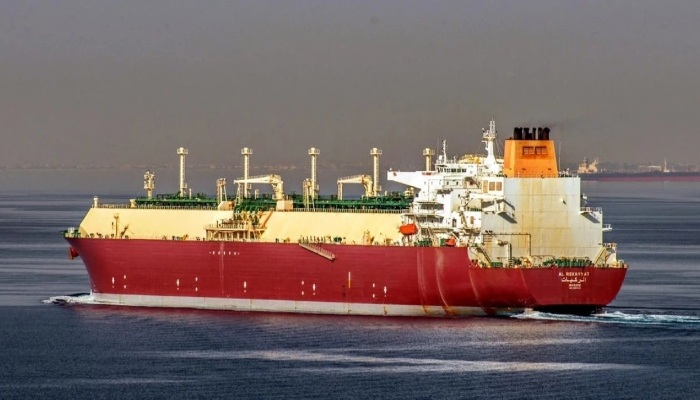
ISLAMABAD: QatarEnergy has extended the force majeure period on LNG supplies to Pakistan until November 4, prompting Islamabad to pursue three LNG cargoes during October amid growing concerns over disruptions along the Strait of Hormuz.
According to sources, the government has decided to receive three LNG cargoes from Qatar during October as part of efforts to maintain gas supplies amid uncertainty over the maritime transportation of energy.
The government is also preparing to contact Iranian authorities to facilitate the safe and uninterrupted passage of LNG cargoes through the region.
The move comes as uncertainty surrounding the Strait of Hormuz continues to raise concerns over the movement of LNG and other energy supplies.
Officials fear that the disruption in energy supplies may persist into the winter season, potentially putting additional pressure on Pakistan’s gas supply system.
The extension of the force majeure period by QatarEnergy until November 4 has further complicated the supply outlook and prompted the government to examine immediate measures to manage the potential shortfall.
Authorities are working on alternative arrangements to minimise the impact of any disruption and maintain gas availability during the winter months.
The three planned October cargoes are therefore being viewed as part of the government’s efforts to secure available LNG supplies despite heightened risks surrounding maritime energy transportation.
Any prolonged disruption could create additional challenges for Pakistan’s energy sector, particularly during winter when demand for gas rises across residential, commercial and industrial segments.
The government’s planned engagement with Iranian authorities reflects efforts to ensure that LNG vessels can pass safely and without interruption through the relevant maritime routes.
The latest developments have increased the focus on LNG supply security as Pakistan prepares for the winter season amid continuing uncertainty in regional energy transportation.
