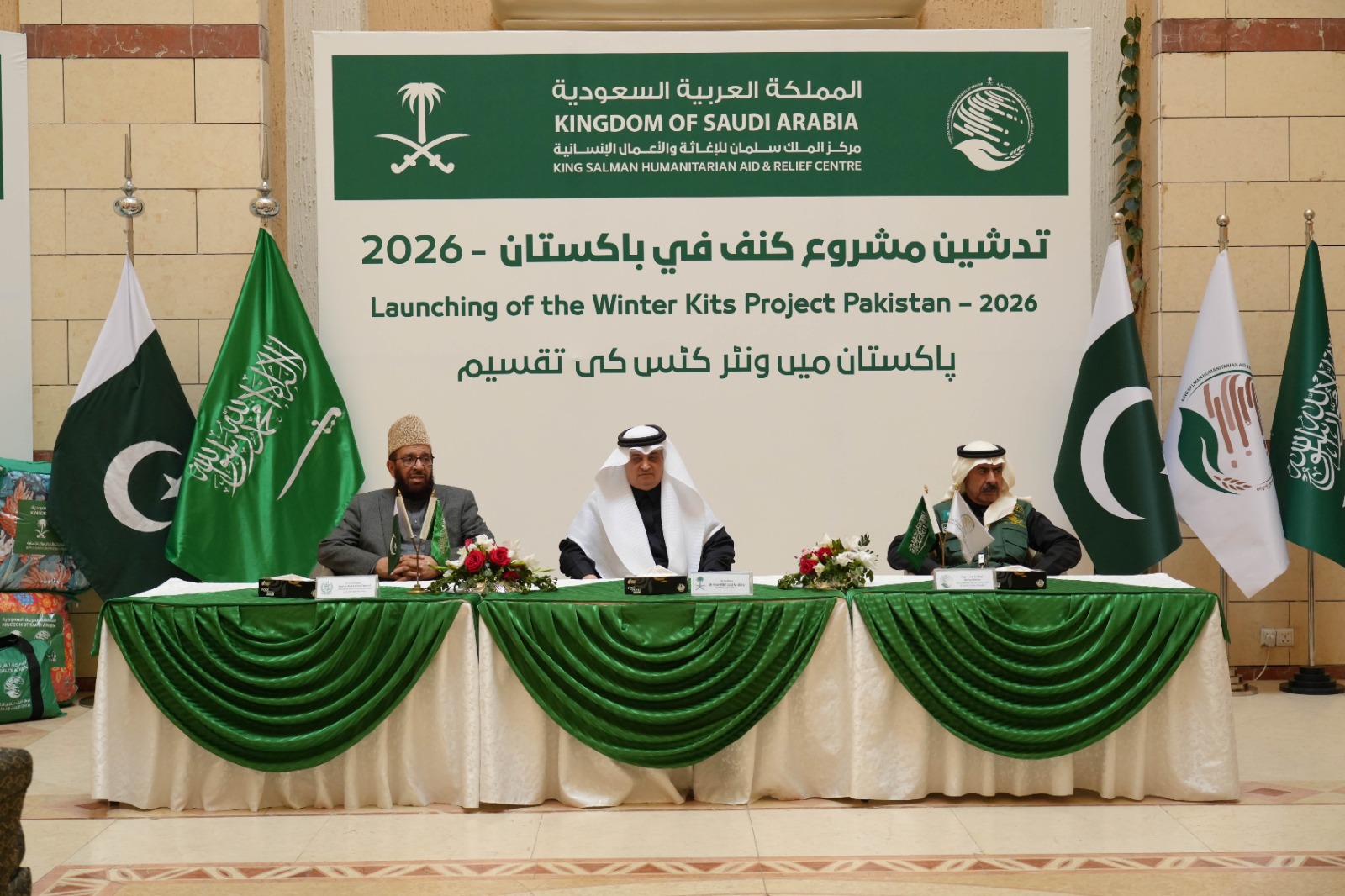
The King Salman Humanitarian Aid and Relief Centre (KSrelief) has launched a large-scale winterization initiative in Pakistan, aimed at providing critical relief to vulnerable communities facing extreme cold and snow-bound conditions across multiple regions of the country.
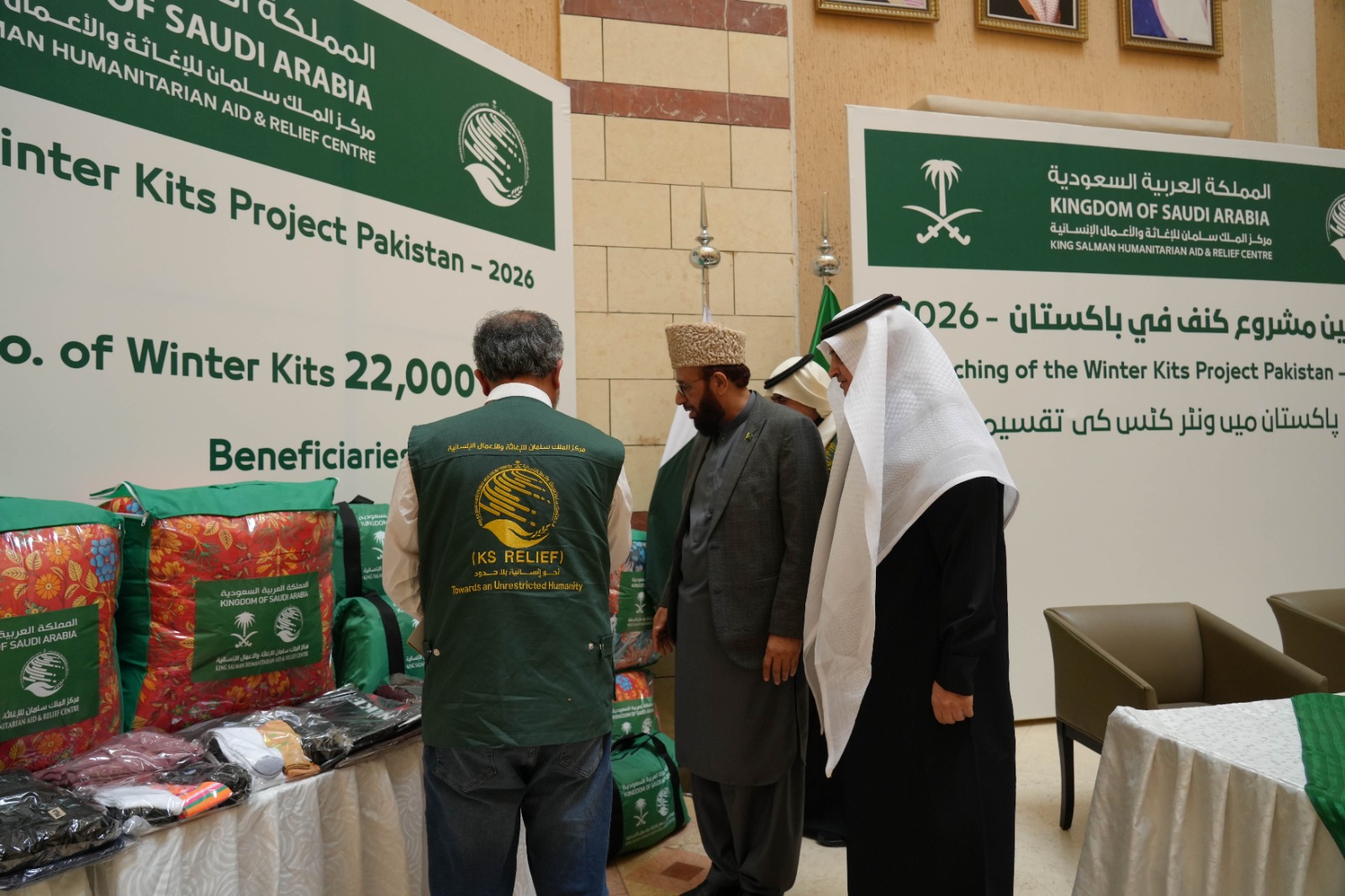
Under the annual winter support programme, KSrelief will distribute 22,000 Winter Kits in 26 of Pakistan’s coldest districts, covering Khyber Pakhtunkhwa, Balochistan, Gilgit-Baltistan, Azad Jammu and Kashmir, as well as selected low-temperature areas of Punjab and Sindh. The initiative is designed to mitigate the impact of harsh winter weather on low-income and at-risk populations.
Each Winter Kit comprises two polyester quilts, warm shawls for men and women, and winter clothing for children and adults, ensuring comprehensive protection against freezing temperatures. The assistance is expected to benefit more than 154,000 individuals, particularly in remote and high-altitude areas where access to basic winter essentials remains limited.
To ensure transparency, efficiency, and effective outreach, the project is being implemented in close coordination with key federal and provincial disaster management and relief bodies. These include the National Disaster Management Authority (NDMA), Provincial Disaster Management Authorities (PDMAs), Relief, Rehabilitation and Settlement Department (RRSD) Khyber Pakhtunkhwa, Gilgit-Baltistan Disaster Management Authority (GBDMA), State Disaster Management Authority (SDMA), relevant local administrations, and Hayat Foundation.
Officials said the coordinated approach would help ensure timely delivery of relief supplies to the most affected communities, particularly in snow-covered and hard-to-reach areas. The initiative reflects KSrelief’s continued commitment to humanitarian assistance in Pakistan and its broader mission to support vulnerable populations during natural and seasonal hardships.
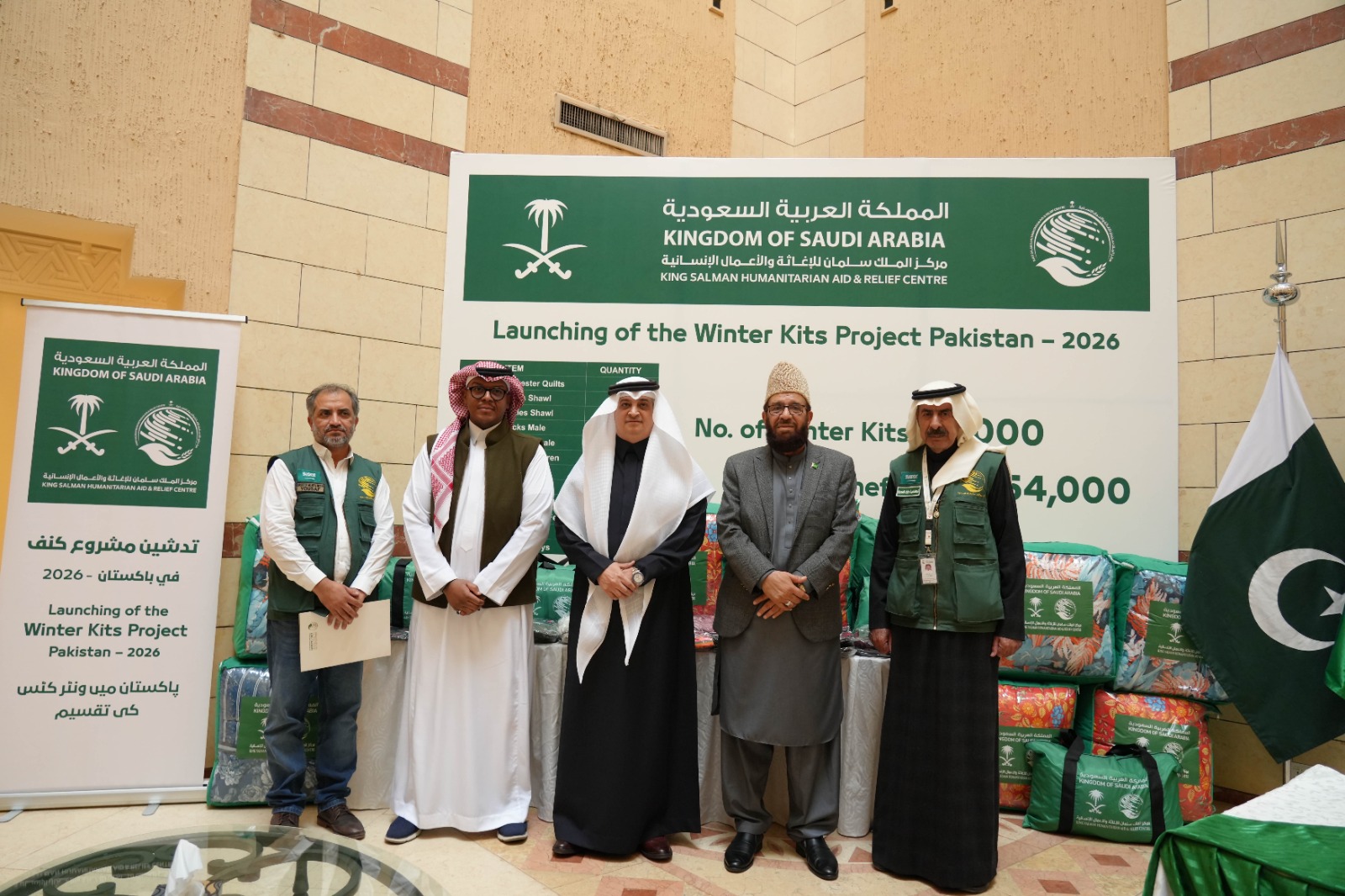
The winterization drive is part of Saudi Arabia’s longstanding humanitarian engagement with Pakistan, reinforcing bilateral cooperation in disaster response, relief, and social welfare, especially during periods of extreme weather.
