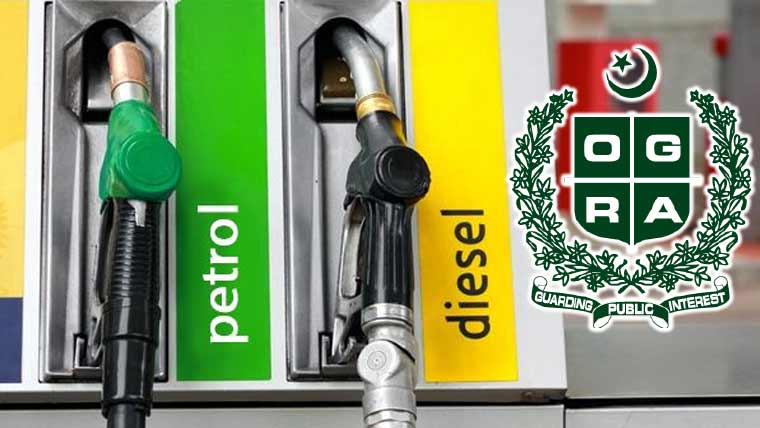
ISLAMABAD: Motorists and diesel consumers will receive some relief as the government has reduced petrol and high-speed diesel prices by Rs5.45 and Rs3.68 per litre, respectively, revising their rates to Rs369.06 and Rs391.52 for November 4, 2026.
According to OGRA, the ex-depot price of petrol has declined from Rs374.51 to Rs369.06 per litre, while high-speed diesel (HSD) has dropped from Rs395.20 to Rs391.52 per litre under the daily petroleum pricing mechanism.
The reduction in petrol prices is likely to benefit millions of households that depend on motorcycles, cars and auto-rickshaws for routine transportation.
For many salaried individuals, students, small traders and daily commuters, petrol expenditure represents a regular household expense. The latest cut is expected to reduce some of the financial pressure on these consumers.
A motorist purchasing 20 litres of petrol will now pay Rs109 less than before the revision, while a consumer buying 40 litres will save Rs218.
The impact of lower diesel prices, however, extends beyond individual consumers because diesel is extensively used in commercial transportation and agricultural operations.
Pakistan’s freight transportation network relies heavily on diesel-powered trucks and trailers to move essential commodities, industrial supplies and agricultural produce between production centres, wholesale markets and retail destinations.
Similarly, buses and other commercial passenger vehicles use diesel, making its price an important factor in determining transportation operating expenses.
Farmers also depend on high-speed diesel to operate tractors, harvesters, tube-wells and other agricultural equipment. A reduction in diesel prices can therefore help ease expenses associated with cultivation, irrigation and harvesting.
Businesses involved in logistics, distribution and manufacturing may also benefit from lower diesel-related operating costs.
The reduction could eventually help moderate freight charges and transportation-related expenses, providing indirect relief to consumers through potentially lower prices of food, agricultural products and other essential goods.
However, lower petroleum prices do not automatically translate into cheaper commodities or passenger fares. The actual benefit will depend on the response of transport operators, suppliers, manufacturers and other businesses.
The latest price adjustment provides some relief to motorists, farmers and commercial users, while its wider economic benefits will depend on the extent to which lower fuel expenses are reflected across the supply chain.
